All Categories
Featured
Table of Contents
- – Adapting to Shopify Collabs X Flow Integration...
- – The Combination of Shopify Collabs X Flow Int...
- – Logistics and Fulfillment in a Fragmented Market
- – The Shifting Role of Community in Shopify Col...
- – Predictive Analytics and the Future of Option
- – Sustainability and Ethics in Social Circulation
Adapting to Shopify Collabs X Flow Integration in 2026
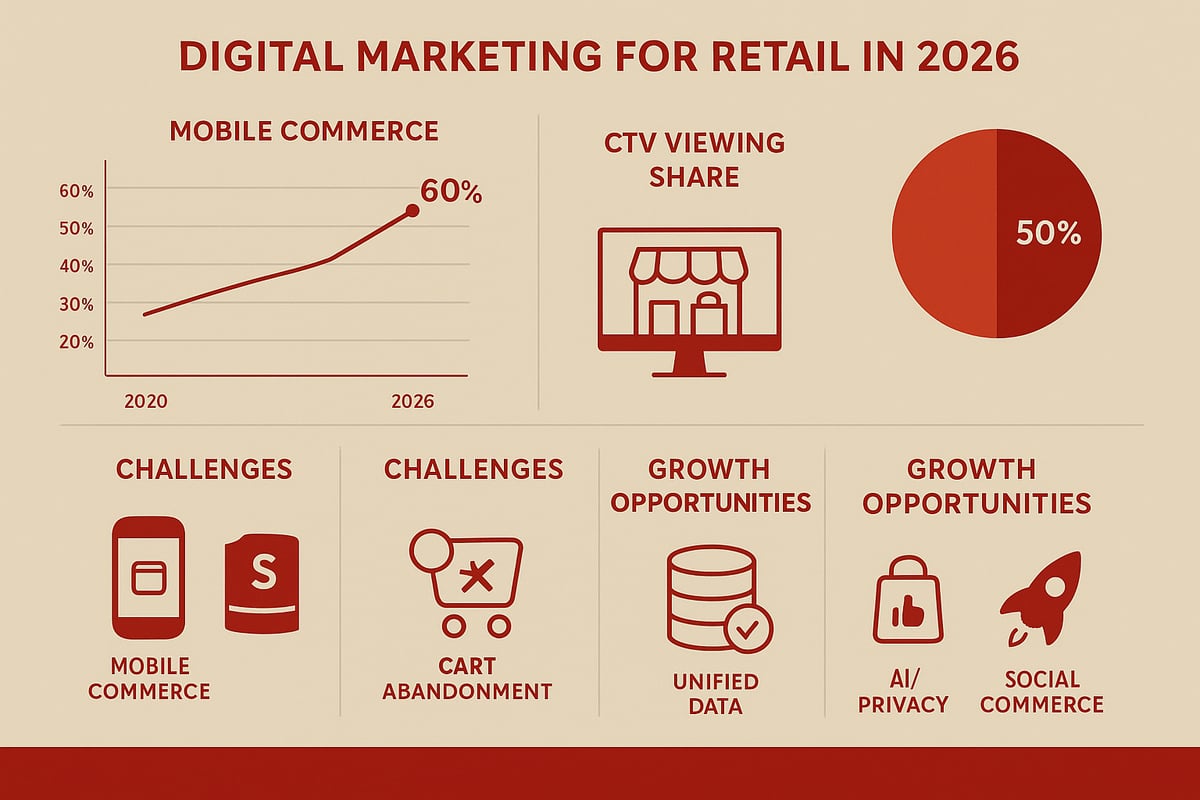
Retail in 2026 is no longer specified by the friction between digital surfing and physical acquiring. The traditional separation between social media interactions and e-commerce deals has actually dissolved into a single, constant experience. Buyers now anticipate to move from discovery to checkout without leaving their current application or changing their frame of mind. This shift has forced brand names to move beyond simple shops and into complex, dispersed selling environments where material is the shop.
The rise of social commerce platforms has moved past the speculative phase seen previously in the years. Today, these platforms operate as the primary online search engine for Gen Alpha and Gen Z, who rarely utilize conventional text-based inquiries to discover products. Rather, they count on algorithmic discovery, visual searches, and community-driven suggestions. This behavior makes it necessary for retailers to maintain a presence throughout lots of touchpoints at the same time, ensuring that stock levels and rates remain constant regardless of where the consumer comes across the item.
Lots of retailers are now moving their budget plans into Marketing Automation to catch attention where it naturally settles. This shift is not practically marketing; it is about developing an existence that feels native to the platform. In 2026, a brand that relies exclusively on driving traffic back to a central site frequently sees lower conversion rates than one that allows for native in-app checkout. The focus has moved from "traffic generation" to "conversion distance," placing the buy button as near the preliminary trigger of interest as possible.
The Combination of Shopify Collabs X Flow Integration into Every Day Life
-1.png)
In 2026, social commerce is driven by high-fidelity video and enhanced truth. Consumers no longer think how a furniture piece may look in their living-room or how a shade of lipstick might appear on their skin. Integrated AR tools within social apps provide near-instant sneak peeks that are incredibly accurate. These tools are connected directly to the supply chain, suggesting that if a user likes what they see in an AR preview, they can see the precise shipment window for their particular zip code before they even click buy.
Multi-channel circulation strategies now need a level of synchronization that was formerly impossible. When an item goes viral on a niche video-sharing app, the stock systems must respond across all channels in genuine time to prevent overselling. This orchestration is frequently managed by autonomous middleware that changes prices and schedule based upon velocity and regional demand. An item might be priced slightly greater on a high-intent platform while seeing a flash discount on a social channel where discovery is more casual.
The increasing dependence on Advanced Marketing Automation Workflows has forced substantial modifications in how business consider their digital identity. Credibility is the primary currency. In 2026, polished, high-production commercials frequently carry out inadequately compared to raw, creator-led content that demonstrates a product in a real-world setting. This has caused the rise of the "brand-creator" design, where companies quit a degree of control over their visual possessions in exchange for the trust that these developers have actually constructed with their specific audiences.
Logistics and Fulfillment in a Fragmented Market
Distribution in 2026 is not practically where you offer, but how quick you can provide as soon as the social interaction concludes. The "see it, desire it, have it" cycle has actually shortened considerably. To keep up, numerous sellers have moved away from huge, central storage facilities in favor of micro-fulfillment. These small-scale hubs lie in high-density city locations, often repurposing old retail space to function as regional circulation nodes. This permits for delivery times measured in minutes rather than days, which is a major consider keeping the impulse-buy momentum created on social platforms.
- Real-time inventory tracking across decentralized social nodes.
- Automated content adjustment for different platform algorithms.
- Localized delivery networks that support sixty-minute fulfillment.
- Direct-to-consumer pipelines that bypass standard online search engine gatekeepers.
Personal privacy regulations in 2026 have actually likewise shaped the method social commerce functions. With the decline of third-party cookies and the rise of strict data sovereignty laws, brands have actually had to discover new ways to reach their target market. This has actually led to a move toward "zero-party information," where consumers willingly share their preferences in exchange for a more individualized experience. Social platforms have become the primary collectors of this information, using it to refine their suggestion engines so that the products appearing in a user's feed are often appropriate to their current needs.
The Shifting Role of Community in Shopify Collabs X Flow Integration
The principle of the "influencer" has evolved into the "community node." In 2026, success is not determined by the overall number of fans a person has, but by the depth of engagement within specific, frequently smaller sized, interest groups. These nodes serve as curators, filtering the huge amount of items offered to a choice that resonates with their particular neighborhood. Brand names that prosper in this environment are those that can identify and support these nodes without making the interaction feel excessively business or required.
For those prioritizing development, finding Marketing Automation for Influencer Programs is the very first action in a wider method to maintain relevance in a congested market. It is no longer enough to have a good item; that product must become part of a conversation. This indicates that marketing groups in 2026 are often more concentrated on neighborhood management and belief analysis than on standard advertisement placements. They should be prepared to join discussions, response concerns in real-time, and react to patterns as they occur, typically within minutes of a topic beginning to acquire traction.
Live-stream shopping has also become a staple of the North American and European markets, following the course set by Asian markets previously in the years. These streams are not practically revealing products; they are home entertainment. In 2026, these sessions typically include gamified aspects, limited-time drops, and interactive functions that allow the audience to vote on product colors or styles in real-time. This level of interaction produces a sense of co-creation between the brand name and the consumer, which is a powerful driver of brand name loyalty.
Predictive Analytics and the Future of Option
By 2026, the large volume of options readily available to consumers could easily lead to choice tiredness. To counter this, social commerce platforms use innovative predictive analytics to narrow down the choices before the customer even understands they are trying to find something. This "anticipatory retail" design utilizes historic information, present social trends, and even ecological aspects-- like the regional weather condition in a specific city-- to suggest products that are highly most likely to be bought.
This level of customization needs a durable technological foundation. Retailers should ensure that their product data is clean, structured, and prepared to be taken in by various platform APIs. A mistake in a product description or an inaccurate cost can propagate throughout the whole social media network in seconds, leading to customer disappointment and potential brand damage. Subsequently, the role of the product info supervisor has actually become one of the most vital positions in the modern-day retail organization.

The 2026 retail environment likewise sees a revival of niche platforms. While a few large gamers still control the general market, specialized apps for everything from sustainable style to vintage electronics have acquired considerable ground. These platforms offer specialized tools that the bigger social giants can not, such as specific authentication services for high-end goods or in-depth sustainability scores that are validated through blockchain-based supply chain tracking. For a seller, being on the ideal specific niche platform can be simply as essential as being on the significant ones.
Sustainability and Ethics in Social Circulation
As social commerce grows, so does the scrutiny on its ecological impact. In 2026, consumers are progressively knowledgeable about the carbon footprint related to ultra-fast delivery and the high return rates typically seen with social-led impulse purchases. Brands are responding by integrating "green shipping" options straight into the social checkout procedure. This might consist of slower, consolidated shipping for a discount or the choice to offset the carbon emissions of a shipment with a little additional cost.
Transparency has actually ended up being a non-negotiable requirement. Social commerce platforms in 2026 frequently include "trust badges" that reveal a brand name's validated ratings for labor practices, material sourcing, and waste management. These scores are not just static icons; they are often interactive, permitting the user to click through and see the actual data behind ball game. In an era where a single viral video can expose bad business habits to millions of people, maintaining a tidy and ethical supply chain is an essential part of an effective circulation technique.
The increase of social commerce has actually redefined what it means to be a merchant. In 2026, a brand is no longer a location; it is a presence that exists throughout a multitude of platforms, discussions, and communities. Success in this environment requires a balance of technological elegance and human-centric marketing. By focusing on conversion proximity, neighborhood engagement, and logistical dexterity, sellers can thrive in a world where the social feed is the brand-new store.
The shift toward these dispersed designs reveals no signs of slowing. As we move further into 2026, the brand names that remain rigid in their standard methods are finding it more difficult to compete with those that have actually welcomed the fluid nature of modern-day social commerce. The focus has actually moved far from owning the channel to participating in the neighborhood, a change that has actually essentially changed the relationship between those who make items and those who purchase them.

Table of Contents
- – Adapting to Shopify Collabs X Flow Integration...
- – The Combination of Shopify Collabs X Flow Int...
- – Logistics and Fulfillment in a Fragmented Market
- – The Shifting Role of Community in Shopify Col...
- – Predictive Analytics and the Future of Option
- – Sustainability and Ethics in Social Circulation
Latest Posts
Creator Marketing vs Paid Media Ads Tactics
Digital Growth Tactics for Online Shops
Future Paid Trends for 2026
Latest Posts
Creator Marketing vs Paid Media Ads Tactics
Digital Growth Tactics for Online Shops
Future Paid Trends for 2026